
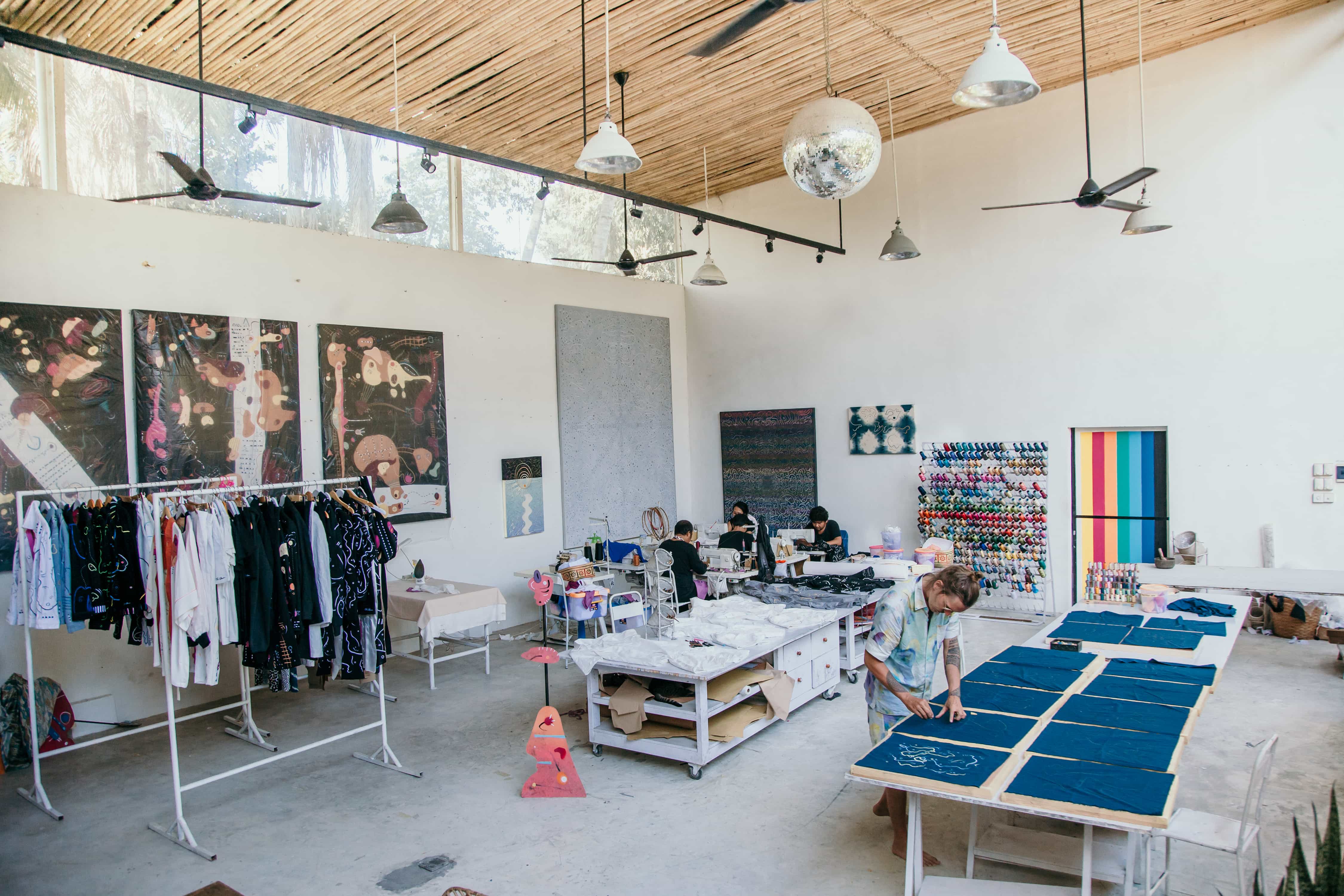
Bali · Atelier · 2018–present
The technique
Freehand machine embroidery
Ole draws the design directly onto the linen in chalk — working the composition by hand, on the fabric, before a single thread is placed. For new work, the chalk goes on freehand. For reproductions of a design, the lines are transferred via chalk-paste stencil.
Then the embroidery begins. The feed dogs are lowered. The linen moves freely under the needle. Each artisan follows the chalk lines. Variations emerge from the hand. No two pieces are identical — not because variation is sought, but because each is made by one person, following chalk, without a locked template.
The variation is not error. It is the record of how it was made.
Atelier · Bali
The surface
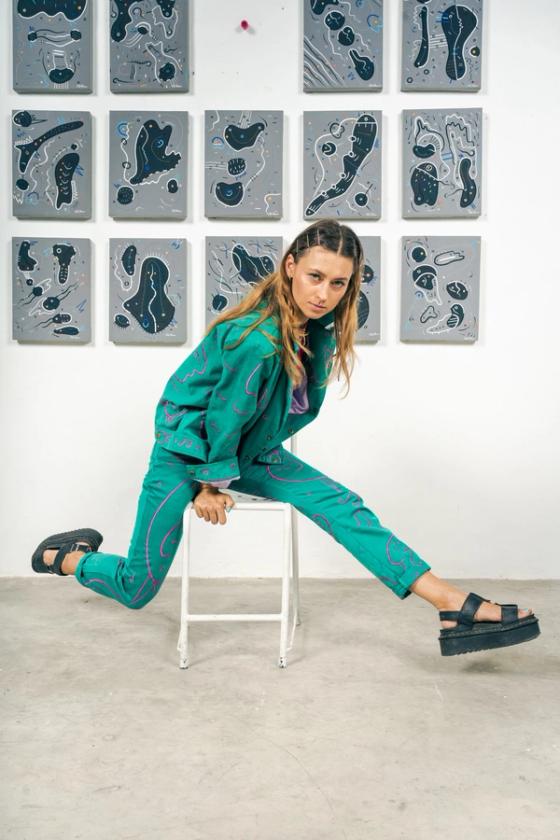
UK-JK-001
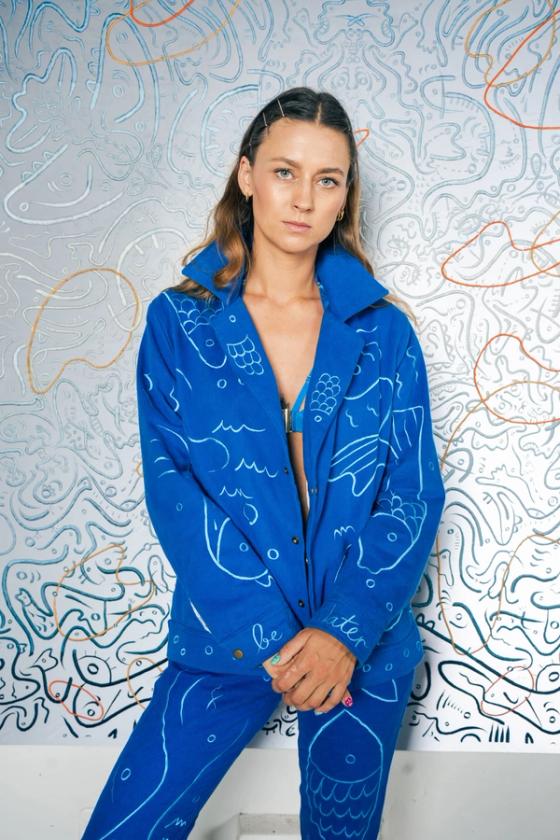
UK-JK-002
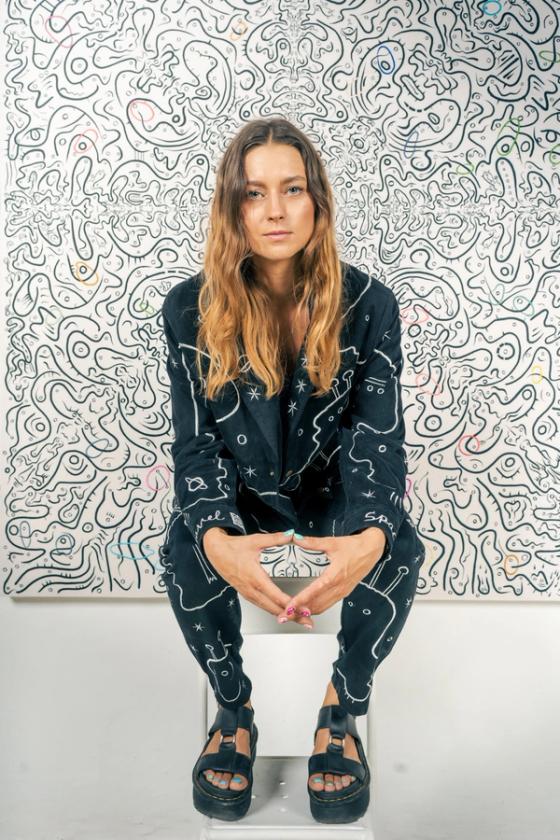
UK-JK-003
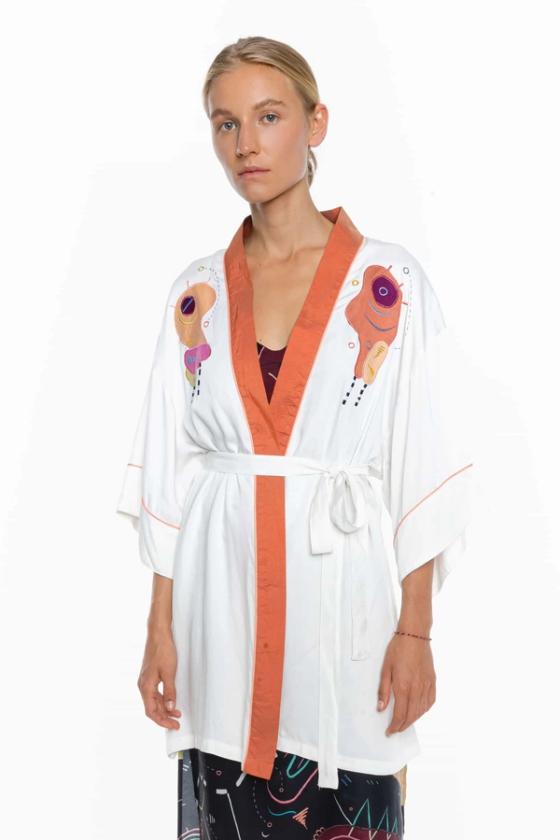
UK-KM-001
Macro detail photography · pending 30 May shoot
4 hands · 1 atelier · Bali
The people
Four artisans. Handy, Dani, Komang, Ni Kadek. Each piece passes through one pair of hands, start to finish.
The location
Made in Bali, Indonesia. The atelier has operated from the same studio since 2018.
The output
23 pieces catalogued. Each with a permanent Object ID and NFC chip. No piece leaves without both.
What UKENA cannot do
UKENA cannot make a piece quickly. The weeks it takes are not a constraint — they are the product. Made-to-order is not a faster version of the same thing. It is the same thing, done again, from chalk.
One artisan. One piece. No parallel production. The atelier capacity is fixed — not a bottleneck to solve, but a condition of what this is.
How it's made
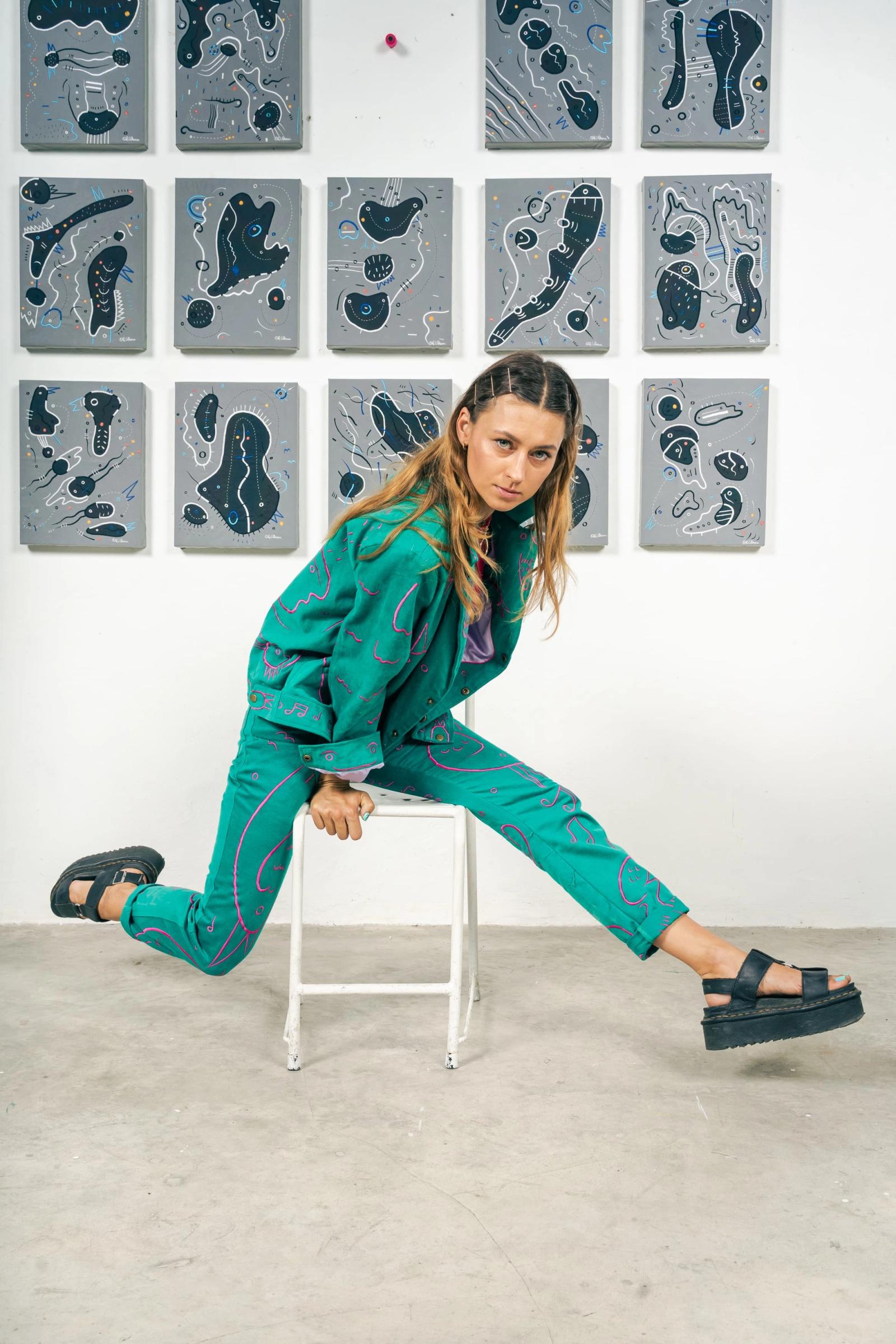
01 — Chalk
The drawing
Ole draws the design directly onto linen in chalk. Freehand for new work. Chalk-paste stencil for reproductions.
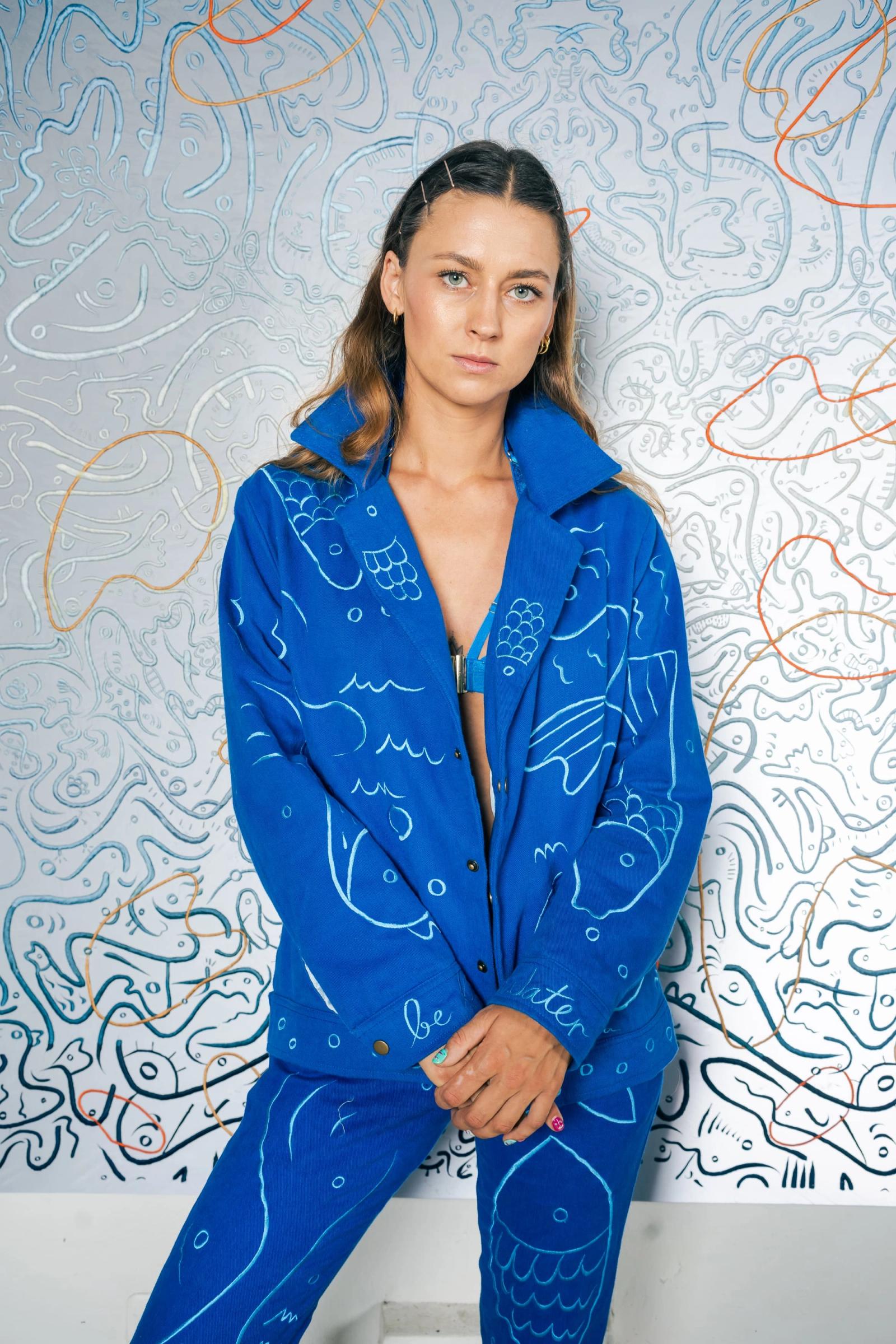
02 — First pass
Thread follows chalk
Feed dogs lowered. The linen moves freely under the needle. The artisan follows the chalk line — no template, no lock.
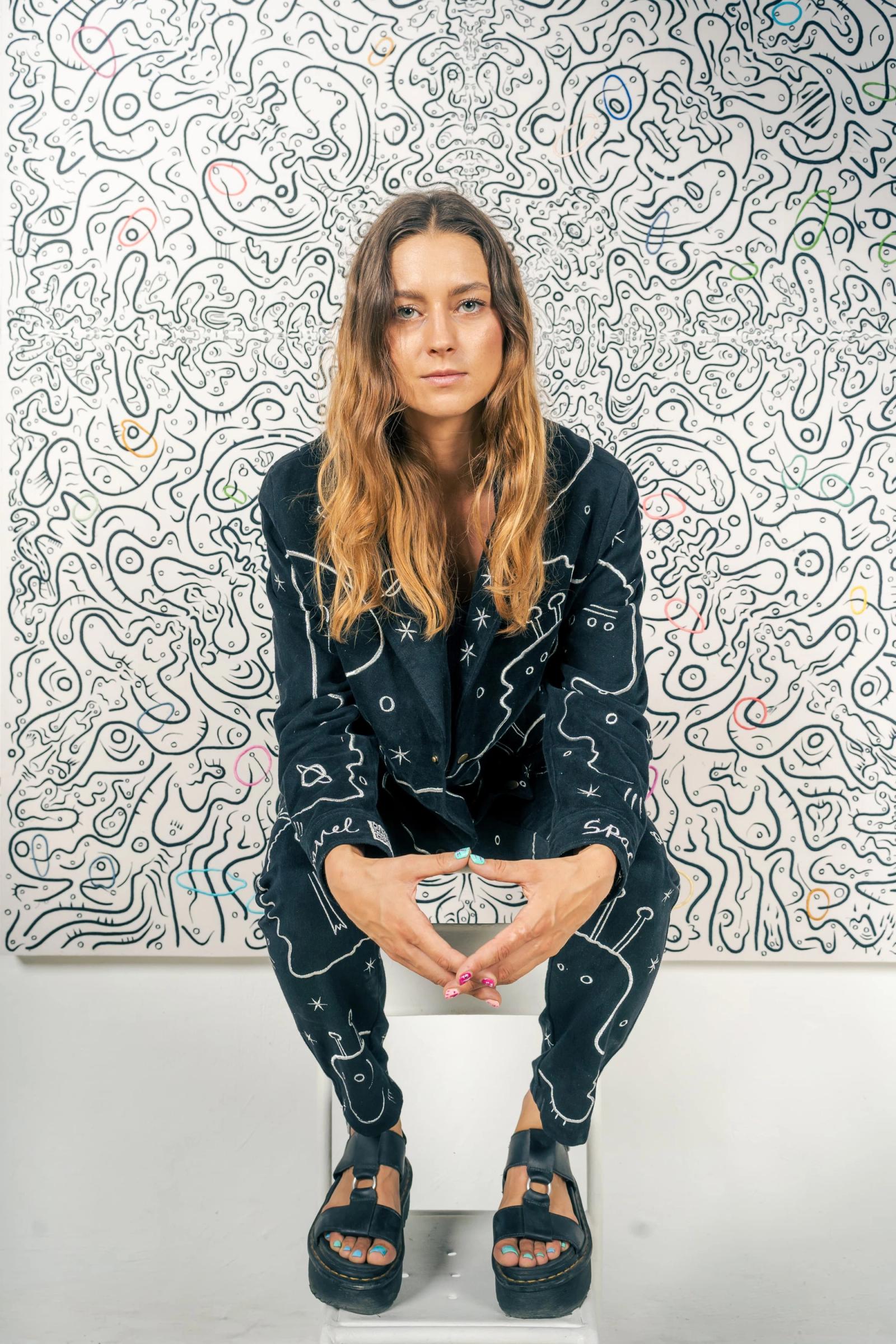
03 — Density
Building the surface
Layer over layer. The thread builds up. What reads as solid colour from a distance is dozens of passes at close range.
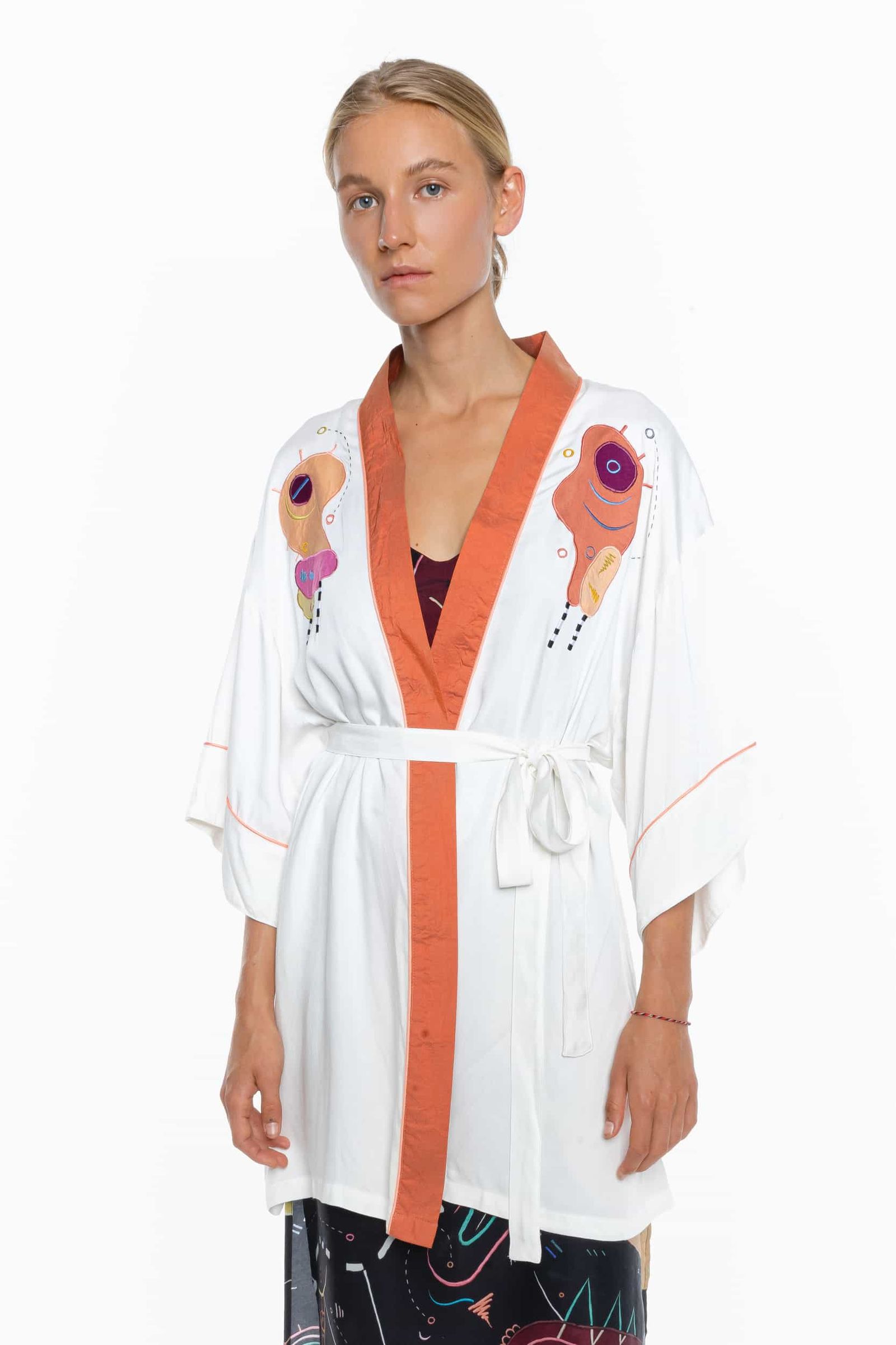
04 — Detail
The fine work
Edges. Transitions. The places where two colours meet. This is where the hand matters most.
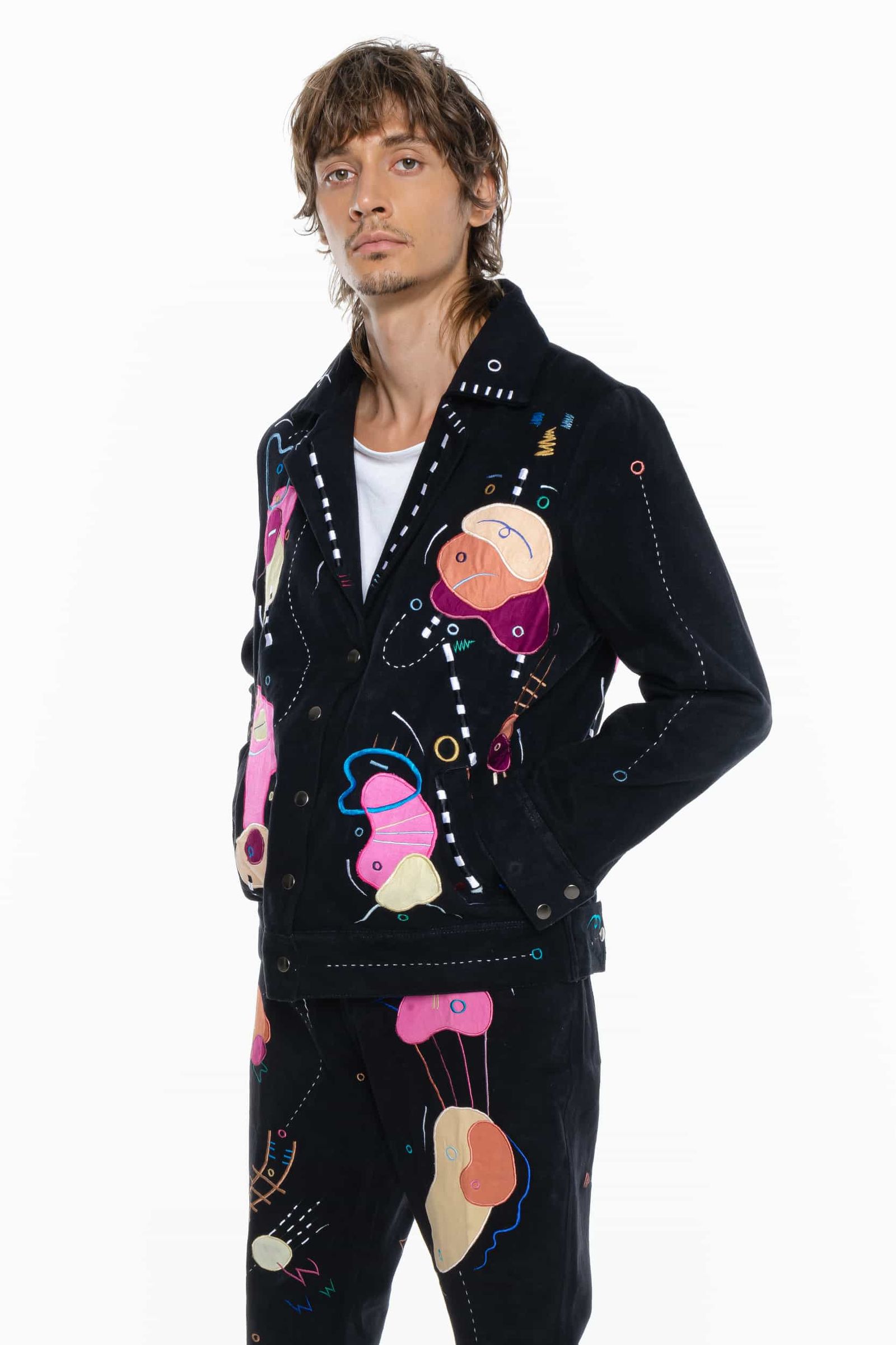
05 — Finishing
The final surface
The last pass confirms the composition. Variations that emerged from the hand stay — they are the record of how it was made.
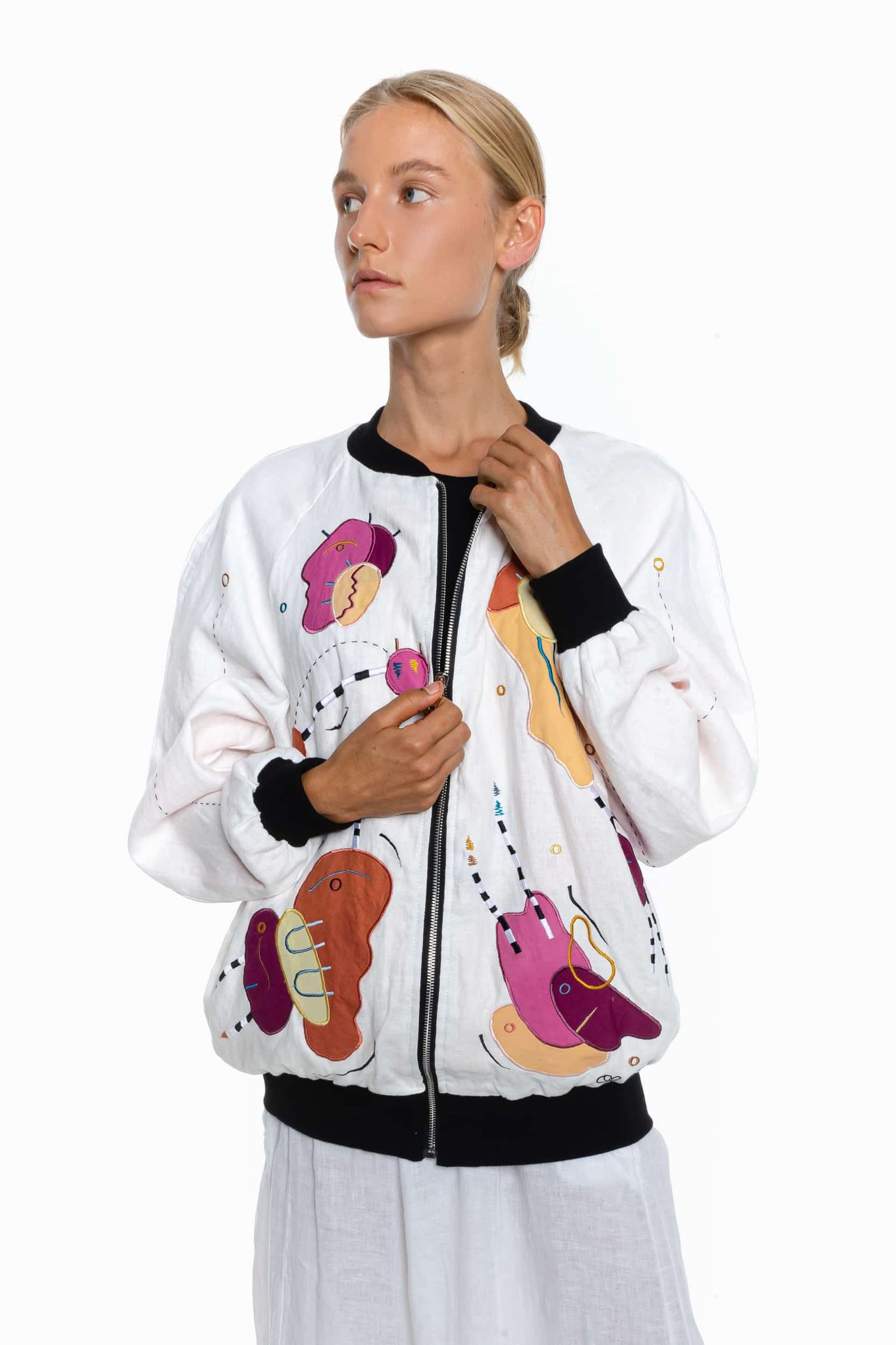
06 — The object
Finished
NFC chip. Pink dot. Object ID assigned. The piece leaves the atelier.
Four hands in Bali
Handy
Embroiderer · Since 2018
With the atelier since August 2018. The longest tenure, the institutional memory. Every piece that has left the studio passed through his hands.
Dani
Embroiderer · Since 2019
With the atelier since 2019, from Tasikmalaya. His work moves at the pace the chalk requires — no faster.
Komang
Embroiderer · Since 2019
With the atelier since September 2019, from Buleleng. Dense compositions, steady hands.
Ni Kadek
Embroiderer · Since 2019
With the atelier since July 2019, from Karangasem. Sustained precision across the detailed passes each piece requires.
The Object Registry
Every piece has a permanent ID
When a piece is finished, it receives a permanent Object ID — UK-LS-008, UK-JK-003. Category + three-digit sequence. No year. No version.
This is programmed onto an NFC chip marked by a small pink dot on the garment. Tap the chip with any smartphone and it opens the piece's public passport: who made it, when, and where it has been since.
The passport is a living document. Wearers can add to it. UKENA moments — encounters, conversations, situations the piece was part of — are logged with permission. The garment accumulates a record. The record is the work continuing.